Low-light portraits are probably the most demanding scenario for smartphone photography – when light is insufficient, autofocus hesitates, noise increases, skin tones shift, and bokeh can fail. A phone that can deliver usable images under these conditions must have both hardware and algorithms in place.
The OPPO Find X9 Ultra approaches these scenes with the new-generation Hasselblad Master Camera System, driven by OPPO’s self-developed LUMO Imaging Engine.

Low-Light Portraits: Hardware Sets the Ceiling
In low-light environments, the amount of light captured determines the quality ceiling. The OPPO Find X9 Ultra’s Hasselblad 200MP Ultra-Sensing main camera is 200MP with a large f/1.5 aperture. The large aperture captures more light in dark conditions, ensuring a solid brightness foundation – it does not artificially brighten shadows to distortion, but preserves the natural light-and-dark contrast of night scenes.
The Hasselblad 200MP 3x Super Portrait telephoto lens (200MP, f/2.2) is equipped with a large-size sensor. In low-light portrait shooting, this lens performs better than expected – colour is stable, and noise control is fairly clean.
The LUMO Imaging Engine is designed to improve clarity, dynamic range, and noise reduction while maintaining natural tonal balance. The HASSELBLAD HI-RES mode offers higher-resolution output options for portrait shooting.
Shooting modes include Portrait, Night, Master, and HASSELBLAD TELECONVERTER. The front camera also supports Portrait and Night modes.
Hasselblad 3x Telephoto: A Practical Focal Length for Low-Light Portraits
The Hasselblad 200MP 3x Super Portrait telephoto lens (200MP, f/2.2, 34° FOV) supports 2-axis OIS. Its equivalent 70mm focal length is a common portrait choice, and with the large sensor and OIS, it delivers stable handheld results even in dim light.
The Hasselblad 200MP Ultra-Sensing main camera (200MP, f/1.5) is suited for full-body and environmental portraits – the f/1.5 aperture has a clear advantage in low-light intake. The Hasselblad 50MP 10x Ultra-Sensing Optical-Zoom telephoto (50MP, f/3.5) works well for distant portraits in good lighting.
Battery and Display
The OPPO Find X9 Ultra packs a 7050mAh silicon-carbon battery. Charging supports 100W SUPERVOOC wired and 50W AIRVOOC wireless. The display is a 17.32cm QHD+ AMOLED flat screen with peak brightness up to 3600 nits (outdoor/HBM-boost).
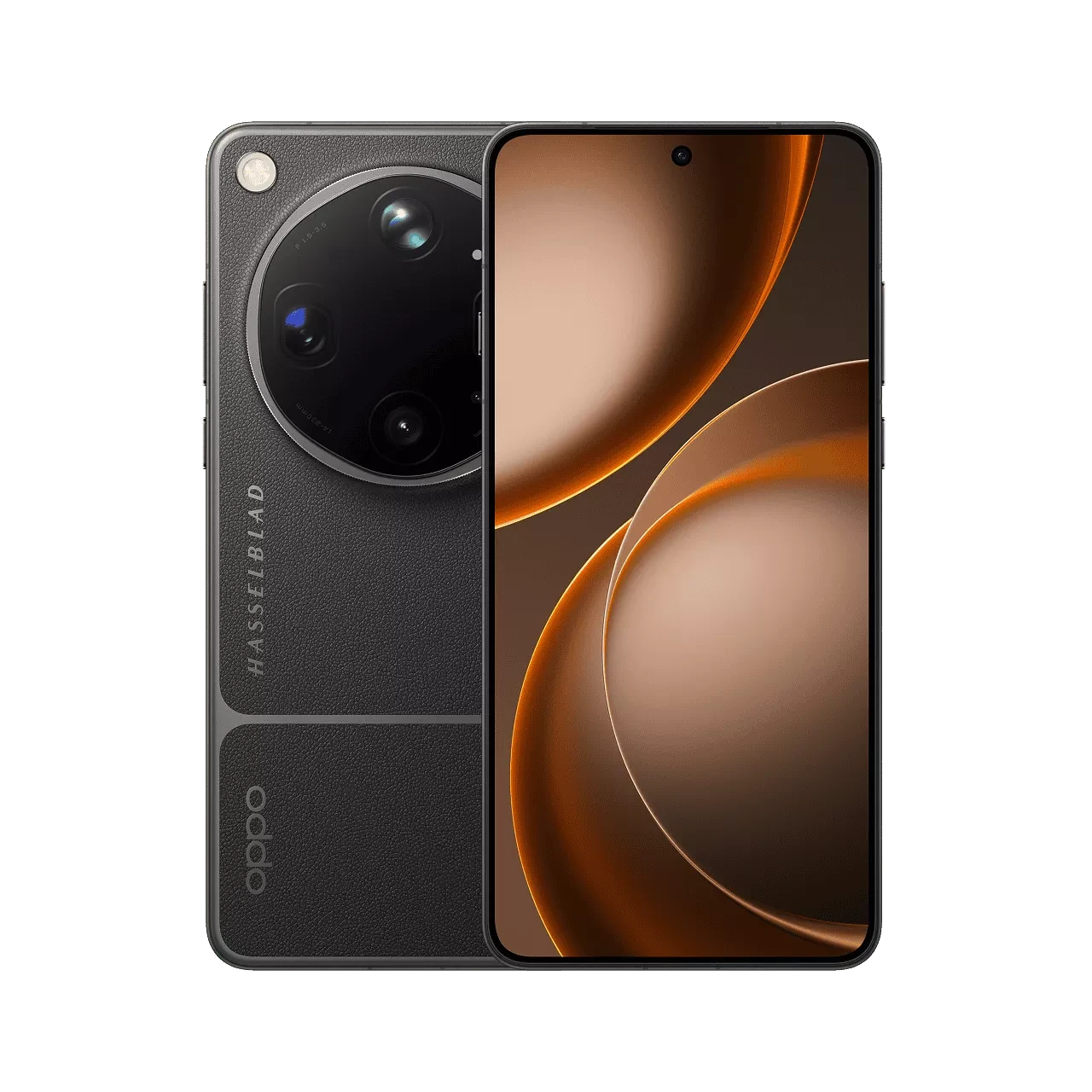
The OPPO Find X9 Ultra is available in Tundra Umber and Canyon Orange. Height approx. 16.32cm, width approx. 7.70cm. Thickness: Canyon Orange approx. 0.87cm, Tundra Umber approx. 0.91cm. Weight: Canyon Orange approx. 235g, Tundra Umber approx. 236g.
Conclusion
The OPPO Find X9 Ultra’s logic for low-light portraits is clear: use the f/1.5 large aperture and large-size sensors to address light intake, use the LUMO Imaging Engine for colour and noise processing, and use Portrait and Night modes to cover different scenarios.
FAQ
Q: How is the low-light portrait performance of the OPPO Find X9 Ultra?
The Hasselblad main camera’s f/1.5 aperture captures more light in the dark; the Hasselblad 3x telephoto has a large-size sensor. The LUMO Imaging Engine enhances dynamic range and noise reduction while maintaining natural tonal balance.
Q: How fast is autofocus in low-light portrait mode?
The f/1.5 aperture ensures sufficient light intake, and the autofocus system remains stable in environments with basic ambient light.
Q: Which Hasselblad lens is best for low-light portraits?
The Hasselblad 200MP Ultra-Sensing main camera (200MP, f/1.5) has the most obvious light-intake advantage for environmental portraits. The Hasselblad 200MP 3x Super Portrait telephoto (200MP, f/2.2) is better for half-body portraits.
Q: Can Night mode and Portrait mode be used together?
Portrait and Night are separate modes. In low light, we recommend using Portrait mode – the system automatically recognises the scene and optimises low-light performance.